Workspaces Designed for How Teams Actually Function
Office Space Interior Design in Dubuque for businesses needing environments that support productivity and adapt to changing work patterns
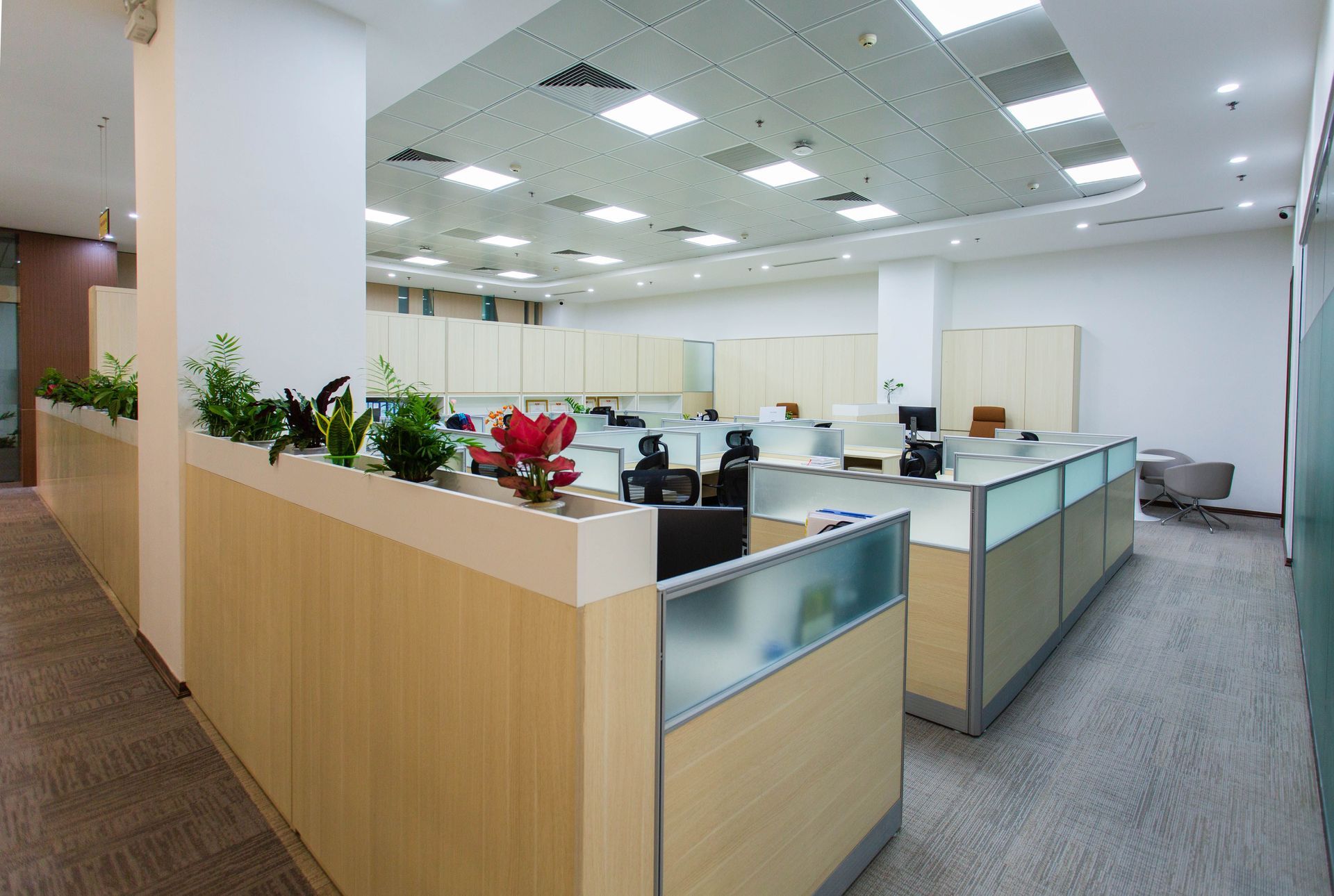
Office layouts that worked five years ago often create friction today as work styles shift between collaborative projects, focused individual tasks, and hybrid schedules. Matters of Space by Angie provides interior design and decoration services for office spaces that respond to how your team actually uses the environment throughout the week. The design process evaluates current space utilization patterns, identifies where employees struggle with the existing setup, and develops solutions that accommodate multiple work modes without requiring constant furniture rearrangement.
This involves more than selecting finishes and furniture—it requires understanding which tasks need visual privacy versus acoustical separation, where natural light creates glare on screens, and how circulation paths either support or disrupt concentration. Material and layout decisions address these functional requirements while creating a cohesive aesthetic that reflects company culture.
Arrange an on-site evaluation to review how your current office layout supports or hinders daily operations.
Answers to Frequent Service Questions
Office redesign projects involve decisions about space allocation, budget priorities, and how to maintain operations during implementation. These questions address practical concerns business owners typically raise.
What happens during the initial workspace analysis?
The process includes observing how employees use the space during typical work periods, identifying bottlenecks where people wait for resources or spaces, reviewing which areas remain empty versus overcrowded throughout the day, and interviewing staff about what physical factors currently hinder their productivity.
How does design accommodate hybrid work schedules where not all staff are present daily?
Solutions often include unassigned workstations with adequate storage for daily setup and breakdown, adjustable ratios of individual desks to shared work surfaces, and technology integration that allows spaces to function equally well whether occupied by two people or ten.
What factors determine whether open layouts or private offices work better for specific businesses?
The decision depends on task types, confidentiality requirements, phone call frequency, and whether work involves sustained concentration or constant communication—many offices in Bettendorf benefit from hybrid approaches with a variety of space types rather than committing entirely to one layout philosophy.
How are furniture selections balanced between aesthetic preferences and ergonomic requirements?
Choices prioritize pieces that meet BIFMA standards for commercial use and adjustability ranges that accommodate different body types, then narrow options based on visual cohesion with finishes, fabrics that hide wear patterns common in office environments, and whether the design language feels appropriate for client-facing versus back-office areas.
When should businesses plan office redesigns to minimize operational disruption?
Projects are typically phased to update one zone at a time so the business maintains functional workspace, with moves scheduled outside peak business hours or production cycles and temporary arrangements made for displaced employees during construction periods.
Matters of Space by Angie creates office environments where design decisions respond to observable work patterns rather than generic best practices. Contact the studio to discuss how your current space could better support your team's specific needs.
How Office Design Addresses Functional Conflicts
The design process begins by mapping how different roles use the space—accounting staff need prolonged focus with minimal interruptions, while creative teams require areas for spontaneous collaboration and material spread. Matters of Space by Angie analyzes traffic patterns, meeting frequency, equipment placement, and storage needs to develop zoning strategies that reduce conflicts between incompatible activities.
Once implemented, you'll notice that employees spend less time searching for appropriate spaces to complete specific tasks, noise complaints decrease as sound-generating activities are separated from concentration zones, and meeting areas remain available because informal conversations have designated spaces elsewhere. Furniture specifications consider factors like whether seating encourages long stays or brief interactions, how surface heights accommodate both sitting and standing postures, and whether pieces can be reconfigured as team structures change.
Decoration choices serve functional purposes beyond aesthetics—color blocking helps define different zones without floor-to-ceiling barriers, textile selections absorb sound in open areas, and artwork placement guides wayfinding through the space. These elements combine to create an environment where the physical space supports rather than obstructs how work gets done.