Spaces That Set the Tone for Guest Experience
Hotel Interior Design in Dubuque for properties creating memorable first impressions and functional comfort
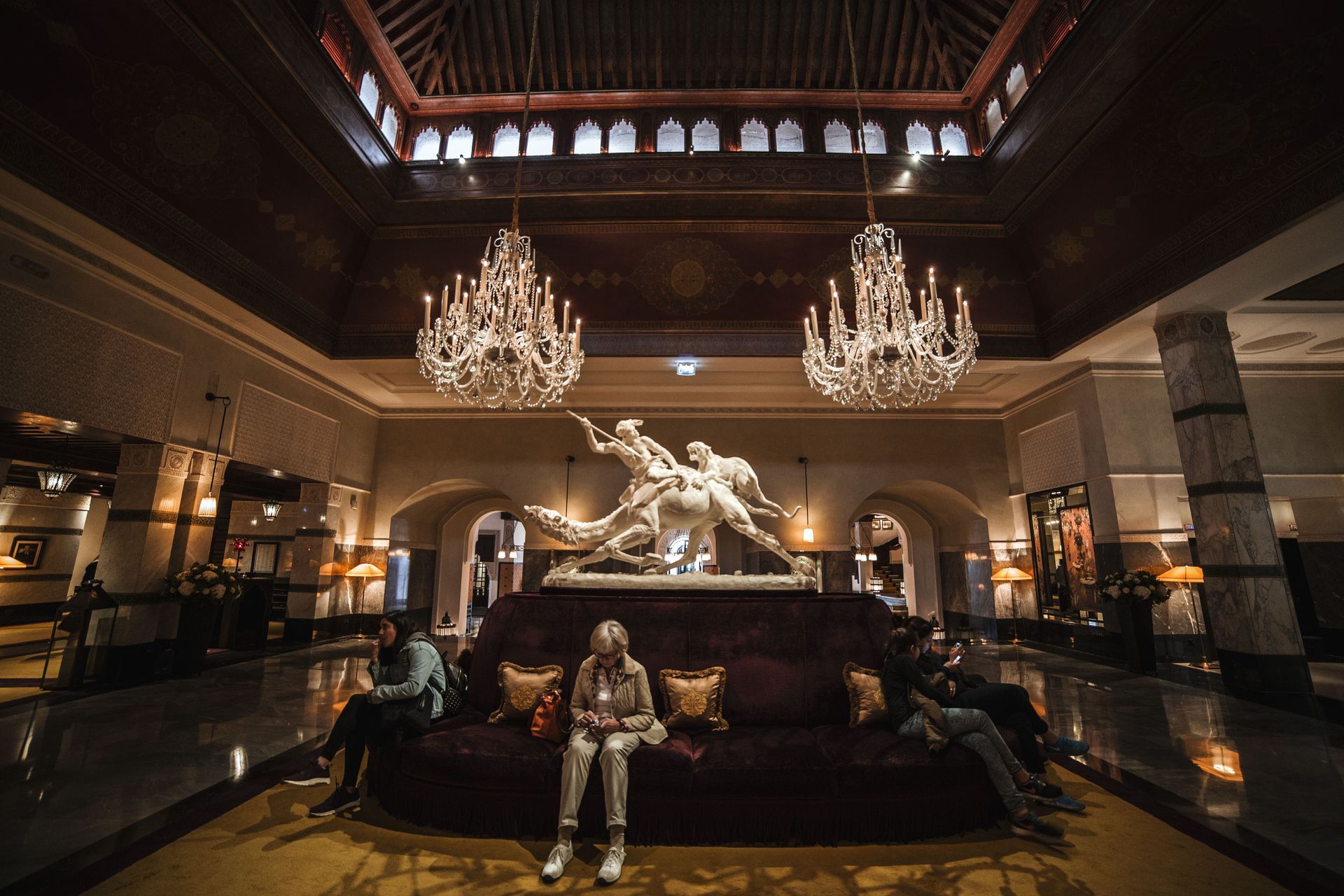
Hotel lobbies and guest rooms in Dubuque require design that balances visual impact with durability under constant use. Matters of Space by Angie provides interior design services that address both aesthetic appeal and the practical demands of high-traffic hospitality environments. You'll notice the difference in how spaces guide guest flow, accommodate varied needs, and maintain their appearance between maintenance cycles.
This service involves evaluating how guests move through and use each space, then selecting finishes, furniture, and layouts that support both operational efficiency and the brand experience the property wants to deliver. Design decisions account for lighting transitions from entryways to corridors, furniture arrangements that accommodate different guest behaviors, and material choices that withstand cleaning protocols without showing wear.
Schedule a property walk-through to identify specific design priorities for your lobby or guest room refresh.
What Property Managers Usually Ask
Hotel design projects raise questions about balancing guest expectations with operational realities and budget constraints. The following addresses common concerns from property managers and ownership groups.
How does the design process account for different hotel segments and guest expectations?
The approach begins with identifying your property's target demographic and competitive positioning, then developing design solutions that align with what those specific guests value most—whether that's modern minimalism for boutique properties, classic comfort for extended-stay locations, or flexible functionality for conference-oriented hotels.
What happens during the initial property assessment?
Matters of Space by Angie evaluates current space utilization, identifies areas where guest behavior conflicts with existing layouts, reviews maintenance records to spot recurring issues with finishes or furniture, and photographs lighting conditions at different times of day to understand how natural and artificial light interact throughout the space.
How are material selections tested for hospitality durability?
Fabric and finish choices undergo review for commercial-grade ratings, cleanability with industrial products, colorfastness under UV exposure from windows, and resistance to common hospitality stains like coffee, wine, and cosmetics—materials must meet performance standards specific to daily housekeeping routines rather than residential use patterns.
When should properties in Dubuque schedule lobby redesigns to minimize guest disruption?
Projects are typically phased to work around peak booking seasons and local event calendars, with lobby work often completed in sections so the space remains partially functional, and guest room updates scheduled in blocks that allow the property to maintain adequate inventory for existing reservations.
What determines whether existing furniture can be reupholstered versus replaced entirely?
The decision depends on frame integrity, whether the piece's proportions still suit the revised layout, and if reupholstery costs approach replacement value—solid wood frames with quality joinery typically justify fabric updates, while particleboard construction or outdated silhouettes usually indicate replacement makes better financial sense.
Matters of Space by Angie develops hotel interiors that support both guest satisfaction and operational efficiency through design choices grounded in how hospitality spaces actually function. Request a consultation to discuss how design updates can address specific operational challenges your property currently faces.
What Proper Hotel Design Requires
Effective hotel interior design starts with understanding how different guest types interact with the space—business travelers need work surfaces and task lighting, while leisure guests prioritize comfort and ambiance. The process includes assessing existing traffic patterns, identifying bottlenecks or underutilized areas, and developing layouts that make intuitive sense without requiring signage or staff direction.
After installation, you'll observe that guests naturally find seating arrangements that suit their needs, staff can clean and reset rooms more efficiently, and surfaces retain their intended appearance despite daily turnover. Furniture selections consider not just style but also weight for housekeeping mobility, fabric performance under spill conditions, and whether pieces can be reconfigured as needs change. Lighting schemes create distinct atmospheres in different zones while maintaining adequate visibility for safety and task completion.
The design also addresses practical concerns like cord management for device charging, sound absorption to reduce noise transfer between spaces, and finish selections that coordinate with existing architectural features rather than requiring structural modifications. These elements work together to reduce guest complaints, minimize maintenance calls, and extend the interval between major renovations.