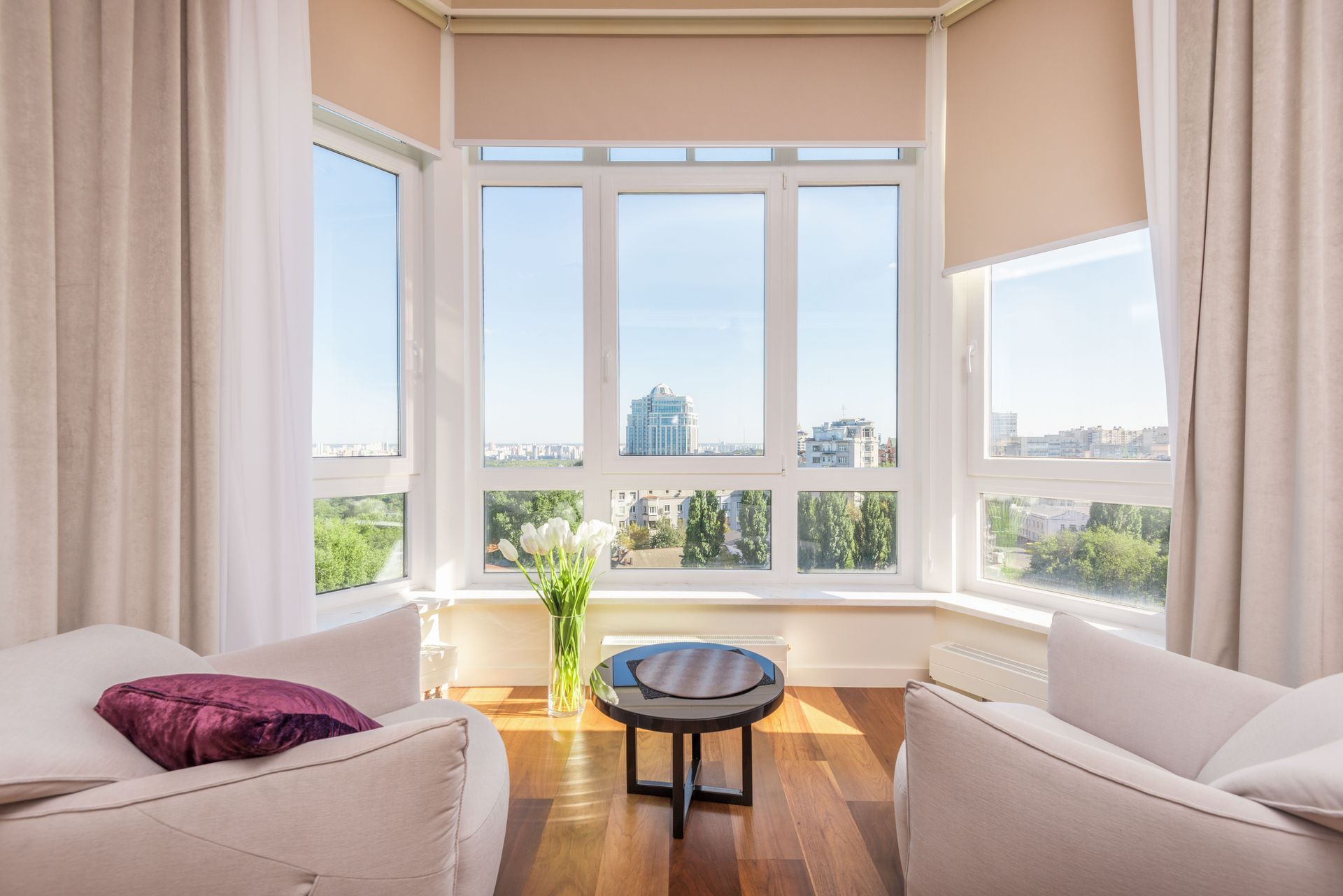
Model Units That Convert Tours Into Leases
Apartment Interior Design & Staging in Dubuque and surrounding areas for properties needing units that showcase potential and accelerate decision-making
Vacant apartment units present square footage and features, but prospective tenants struggle to visualize how they'll actually live in the space. Staging transforms empty rooms into environments where people can picture their routines, furniture arrangements, and lifestyle fitting naturally. Matters of Space by Angie provides interior design and staging services for apartment buildings that need to differentiate units in competitive rental markets and help prospects move from consideration to application.
This service addresses both the individual unit presentation and consistency across the property—each staged space demonstrates functional layouts while reflecting the lifestyle positioning the building targets. Design choices account for how quickly finishes photograph, whether furniture scales appropriately for actual unit dimensions, and how staged rooms guide prospects through the flow of the apartment during tours.
Request a staging proposal to identify which units and design approaches would strengthen your current leasing performance.
Common Questions About This Service
Property managers and building owners often need clarity on furnishing logistics, return on investment, and how the process integrates with existing leasing operations.
What determines which units should be furnished versus left empty?
Priority typically goes to floor plans that are hardest to visualize empty, units in buildings facing high vacancy or competitive pressure, and layouts where room purposes aren't immediately obvious—staging one unit per floor plan usually provides adequate reference for prospects touring similar unstaged units.
How does furnishing address different tenant demographics within the same building?
Furniture and décor selections shift based on target renters—young professionals see sleek, space-efficient pieces and home office setups, while family-oriented units include dining configurations and defined kid-friendly zones, ensuring each staged space resonates with the prospects most likely to lease that specific floor plan.
What happens to furniture after units are leased?
Staging packages typically remain in place until the space is occupied, then furniture is either rotated to newly available units in the same building, returned if using rental inventory, or repurposed for other properties the management company operates—this approach maintains staged model availability without permanent furniture investment in every vacant unit.
How long does it take to stage an apartment unit in Dubuque?
Timeline depends on unit size and existing conditions, but most apartments are staged within one to two weeks once furniture and décor items arrive on site, with scheduling coordinated around maintenance completion, photography appointments, and when the unit becomes available for tours.
Why do some staged units lease faster than identical unstaged units in the same building?
Staging reduces the imagination gap that causes prospects to move on—when people can immediately see how a space functions rather than mentally calculating furniture fit and room flow, they're more likely to commit during the initial decision window before viewing competing properties.
Matters of Space by Angie designs and stages apartment units that demonstrate livability and help prospects recognize the space as their next home. Schedule a property review to evaluate how staging could improve tour-to-lease conversion in your building.
The Difference Between Decoration and Strategic Staging
Staging serves a specific function beyond making spaces attractive—it helps prospects answer practical questions about whether the unit fits their needs. The process involves selecting furniture that demonstrates how rooms accommodate realistic belongings without appearing cramped, arranging layouts that show multiple configuration options, and using décor to define room purposes that might otherwise seem ambiguous in empty spaces.
After staging is complete, you'll observe that tour durations often shorten because prospects grasp the space more quickly, questions shift from "will my furniture fit" to lease terms and move-in dates, and prospects reference specific staged details when discussing units with decision partners later. Furniture selections demonstrate scale—a properly sized sofa shows that a living room accommodates conversation seating, while bedroom staging confirms that standard mattress sizes leave adequate clearance for nightstands and movement. Color and texture choices create visual interest in unit photography while remaining neutral enough that prospects project their own style preferences onto the space.
Staging also addresses common objections before they arise—well-placed area rugs define zones in open-concept layouts, window treatments demonstrate privacy solutions without blocking natural light, and kitchen vignettes show that counter space accommodates small appliances. These elements work together to reduce the cognitive load prospects face when evaluating multiple similar units across different properties.